The Beginning of Offshore Drilling
Offshore oil and gas operations have evolved significantly over more than a century, driven by advances in engineering, drilling technology, safety, and operational capabilities.
As exploration moved farther from shore and into deeper and more challenging environments, offshore drilling rigs evolved alongside it. From early fixed structures to modern mobile and floating drilling units, each generation of offshore technology has expanded the industry’s ability to safely and efficiently access offshore resources.
The Development of Fixed Offshore Platforms
During the 1950s and 1960s, fixed offshore platforms became an important solution for drilling and production in relatively shallow waters.
These structures were permanently installed on the seabed and provided stable platforms for drilling equipment, production facilities, accommodation, and supporting systems.
Fixed platforms offered significant advantages in stability and long-term operation. However, their permanent nature and increasing construction requirements created limitations as exploration moved into deeper waters.
The Emergence of Mobile Offshore Drilling Units
The development of Mobile Offshore Drilling Units (MODUs) represented a major step forward in offshore drilling.
Different types of MODUs were developed to address varying water depths, environmental conditions, and operational requirements.
Jack-Up Rigs
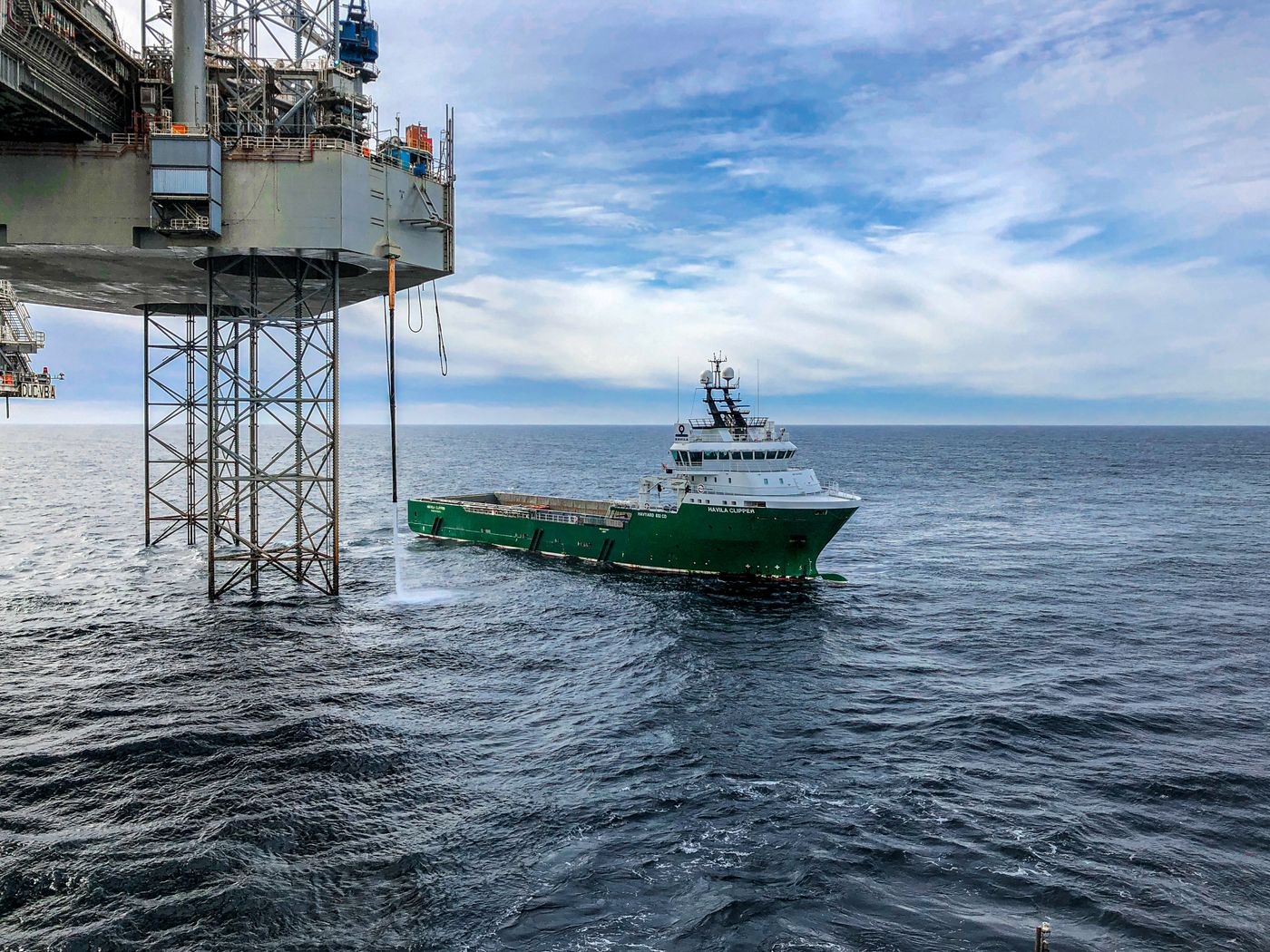
Jack-up rigs are designed primarily for shallow-water operations. The rig can be transported to a drilling location while floating, after which its legs are lowered to the seabed and the hull is elevated above the water.
This configuration provides a stable working platform while maintaining the mobility required to move between drilling locations.
Semi-Submersible Rigs
Semi-submersible rigs use submerged pontoons and columns to maintain stability while operating in deeper waters.
Their design provides improved motion characteristics compared with conventional floating structures, making semi-submersibles suitable for a wide range of offshore environments.
Drillships
Drillships are ship-shaped drilling units equipped with drilling systems and, typically, dynamic positioning capabilities.
Their mobility and ability to operate in deep and ultra-deep waters have made them an important component of modern offshore exploration and drilling.
Moving Into Deeper Waters
As accessible shallow-water resources became increasingly explored, technological development enabled the industry to move into deeper offshore environments.
This transition required improvements across multiple areas, including dynamic positioning systems, well-control equipment, subsea well systems, drilling and completion technology, structural engineering, marine systems, and remote monitoring and control.
These developments allowed offshore drilling operations to expand into water depths that were previously considered technically challenging.
The Rise of Safety and Operational Standards
As offshore operations became more complex, safety and risk management became increasingly central to the industry’s development.
Modern offshore operations require structured approaches to hazard identification, risk assessment, emergency preparedness, equipment integrity, personnel competency, and environmental management.
Safety systems have also evolved alongside drilling technology. Modern rigs incorporate increasingly sophisticated monitoring, alarm, control, and emergency-response systems designed to support safe operations and protect personnel and assets.
Digitalization and Automation
The twenty-first century has introduced another major phase of offshore development: digitalization.
Modern drilling operations increasingly use real-time data, automation, remote monitoring, advanced analytics, and condition-based maintenance to improve operational visibility and decision-making.
Digital technologies can support real-time monitoring, predictive maintenance, automation, and data-driven decision making.
Digitalization does not replace the importance of skilled personnel. Instead, it provides additional tools that enable people to manage increasingly complex offshore operations more effectively.
The Modern Offshore Rig
Today’s offshore rigs are highly integrated assets.
Their performance depends on the interaction of drilling and well-control systems, marine and station-keeping systems, power generation and distribution, lifting and material-handling systems, safety and emergency-response systems, accommodation and life-support systems, and communication and monitoring technologies.
The reliability of an offshore rig therefore depends on more than the performance of individual components. Equipment integrity, maintenance, personnel competency, operating procedures, and effective coordination must work together to maintain safe and efficient operations.
The Future of Offshore Drilling
The next phase of offshore rig development is expected to focus on improving efficiency, reliability, safety, and environmental performance.
Key areas include greater digital integration, improved asset reliability, automation and remote operations, energy efficiency and emissions reduction, and stronger safety performance.
The Role of People in Offshore Operations
Despite rapid technological development, people remain at the center of offshore operations.
Operating a modern drilling rig requires multidisciplinary teams combining expertise in drilling, marine operations, mechanical and electrical systems, maintenance, HSE, logistics, and other supporting functions.
Technical capability must therefore be supported by continuous training, effective communication, operational discipline, and a shared commitment to safety.
Supporting Indonesia’s Offshore Energy Sector
Indonesia’s offshore oil and gas sector continues to require reliable drilling and supporting capabilities to develop its upstream resources.
For companies supporting offshore projects, maintaining strong HSE standards is essential to meeting client requirements and contributing to safe project execution.
PT Jimmulya recognizes HSE as an integral part of responsible service delivery. Through collaboration with experienced industry partners and a commitment to operational discipline, the company supports offshore activities with a focus on safety, reliability, and service quality.
Our involvement in offshore projects, including collaboration with PV Drilling and Pertamina Hulu Energi Offshore North West Java (PHE ONWJ), reflects the importance of strong operational standards and effective coordination in supporting Indonesia’s upstream energy activities.
Conclusion
The evolution of offshore oil and gas rigs is a story of continuous technological and operational development.
From early offshore structures and fixed platforms to jack-up rigs, semi-submersibles, drillships, and increasingly digitalized offshore assets, each stage of development has expanded the industry’s capabilities while introducing new technical and operational requirements.
The future of offshore drilling will be shaped by the continued integration of technology, engineering, safety, data, and human expertise.
For PT Jimmulya, this evolution reinforces the importance of remaining adaptable, building strong industry partnerships, and maintaining high standards of operational performance as Indonesia’s offshore energy sector continues to develop.